Tag: 1st gen

Kyung Koo Park
Born in 1950 during the Korean War, Kyung Koo Park was the weakest child in her family. They didn’t have much, but Mrs. Park recalls never going hungry and being thankful to her mother for raising her to be a strong and proud person. In this Legacy Project recording, Mrs. Park also shares her journey and what it was like living as an immigrant in South Carolina during the 70s and 80s. She has learned not to make assumptions and hopes future generations learn and communicate with the different communities around them while never forgetting their roots.
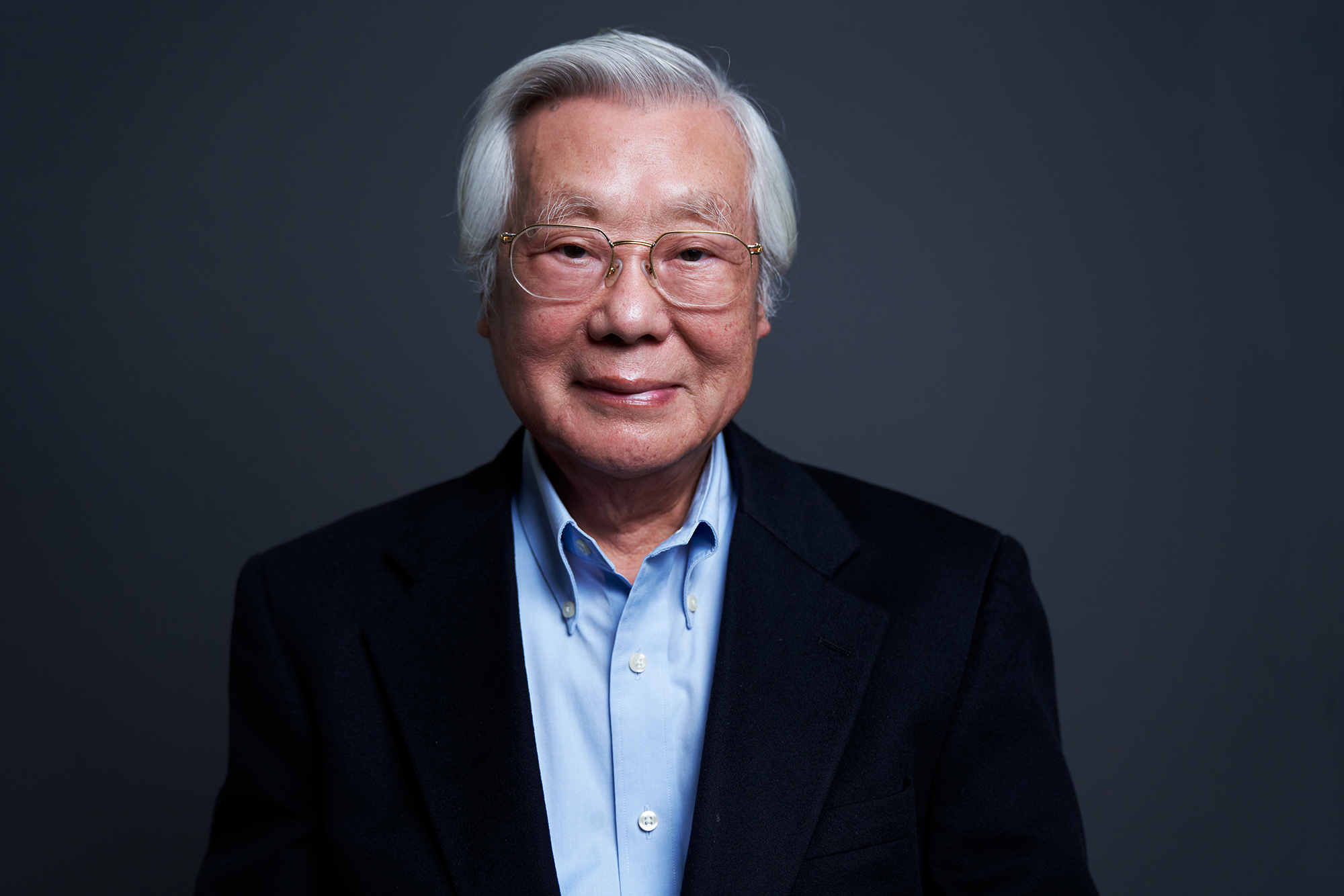
Choong Shik Cho
Born in 1935 during the Japanese occupation of Korea, Choong Shik Cho recalls constantly struggling and facing hunger. When the Korean War broke out, he was 16 years old and spent the first three months hiding in a dark basement because his family feared he would be drafted. Although his family didn’t have much, he remembers his parents’ deep devotion to providing him and his seven siblings with food and support.

Katheryn Kim
Katheryn Kim was born in 1940 into a yangban, or a noble, family in Gyeongju City and grew up in a strict and traditional home. Her father was not like most men of his generation and did not want Katheryn to marry until she completed college. Katheryn completed school but refused to get married. She ran away from home and hid from her family, but life had other plans. Katheryn, to her surprise, found a match on a blind date her parents had set up and soon got married.

Hee Shin Suh
Hee Shin Suh was born to a noble, or yangban, family in 1924 in Jangsu, Jeollabuk-do. Mrs. Suh grew up with hired help and openly shares she wasn’t familiar with household chores when she immigrated to Ohio. She even recalls giving her kids under or overcooked rice multiple times and struggling to cook Korean dishes. Seeing her neighbors working and feeling unproductive at home, she found work as a seamstress and continued to work there for the next 20 years.

Dr. Kee Ok Cho
Dr. Kee Ok Cho’s father firmly believed that women should have access to education. While attending vocational school, Dr. Cho knew she had to go to school in Japan like her sister in order to get the best education possible. Plans quickly changed when Japan began to lose the war. She instead had to attend school in Korea to reduce the chances of being taken to become a comfort woman. Soon after, the Korean War breaks out.

Hae Jung Lee
Hae Jung Grace Lee never dreamed of getting married and having children due to her weak body until she met her husband. He was a charming and smart man with a dream of one day receiving a Nobel Peace Prize. In 1996, they both immigrated to Houston, TX where he was offered a position as a postdoctoral fellow at the University of Texas where he could pursue dreams. But shortly after moving to America, the IMF crisis hit Korea and all opportunities in his field disappeared, forcing them to pivot and forget their dreams.

Sang Hui Juhn
Sang Hui Juhn was born in 1932 in Wonju, Korea, and attended six years of primary school under Japanese occupation. She recalls not being allowed to speak Korean at school and working to provide supplies for the Japanese army instead of studying not fully understanding what was going on. Most of all, she remembers the name she was given – Kiyomoto Eiko. The occupation ended once World War II ended but soon after, conflict began to rise between North and South Korea.

Helen Chang
Helen Chang has formed a steady habit of making the most of whatever life throws at her. At 19, she spun her failed entrance exam to Ewha University into gold, when she chose a different path at Joseon Hotel as an English-speaking receptionist for VIP guests. She rubbed elbows, earned lots of money, and fell in love; eventually leading her to Germany and Las Vegas, then ultimately settling in Texas– all whilst craving the kimchi she missed from home.

Soon Ja Rhee
After six years of living in LA, Soon Ja Rhee and her husband decided to open up a video rental store. But within five years of running the business, news broke out about riots happening across LA. Mrs. Rhee vividly recalls her next-door neighbor rushing over to tell her that they saw their store on fire on the news. Her whole family hurried back to the store and saw everything had burned down. This year marks the 30th anniversary of SaIGu (4.29).

Jung Koo Kang
Jung Koo Kang has been in Los Angeles, California for about 45 years. He began working in a sewing factory and later opened up his own factory. Mr. Kang and his wife worked incredibly for their business that the landlord noticed and asked Mr. Kang to take on three of his ten wholesale stores in the Garment District in order to help him further succeed as a young business owner. As Mr. Kang was heading back home from work one evening, he heard on the radio that riots had begun in South LA and were moving up to Koreatown. By the time he got home, the news was already broadcasting that the riots had reached Olympic Blvd.

Najung Hiatt
Najung Hiatt was born and raised in South Korea, and moved to America as a university student seeking to continue her education. She met her husband, who is not Korean, and decided to stay in America to raise a family and pursue her dream of becoming an educator. In this remote edition of Legacy Project, Najung shares how she raised her children to be proud of their Korean heritage and that they should never forget the value of being connected to their roots. She hopes the Korean American community will find their own ways to keep in touch with its cultural heritage, so that it doesn’t slip away.

Seonwoong Hwang
Seonwoong Hwang was born and raised in South Korea into a pastor’s family. From a young age, he realized the injustices in society and set a clear path for himself to pursue politics. As he reached his 20s, he felt a need to reset and took a new path and studied theology in college. Though his goal was to enact change in the world, Mr. Hwang wants to make that change through whatever God’s calling for him may be.

Brian Kuh
Brian Kuh was born in South Korea and moved to America at the age of six. He moved around frequently throughout his childhood, which always made him the new Asian student at school. By second grade, he started to realize how much his peers were teasing him and even recalls having rocks thrown at him. Instead of harboring any form of bitterness, Brian just wanted to feel like he belonged and continued to have a lingering feeling of being “in the middle”. With other Koreans, they would say he is too American. With Korean Americans, they would say he was too Korean. Eventually, he realized being between two cultures is a uniqueness not many people have and would allow him to become a bridge connecting two communities.

The Last Day
In the beginning of 2021, Mr. Baik and his family made the decision to close down their drop store in Midtown, NYC. March 26, 2021 was the last day. It’s been a year since we followed Mr. Baik, videotaped by his daughter, Deborah, during the peak of the COVID-19 pandemic. This is the second and final part of their story.
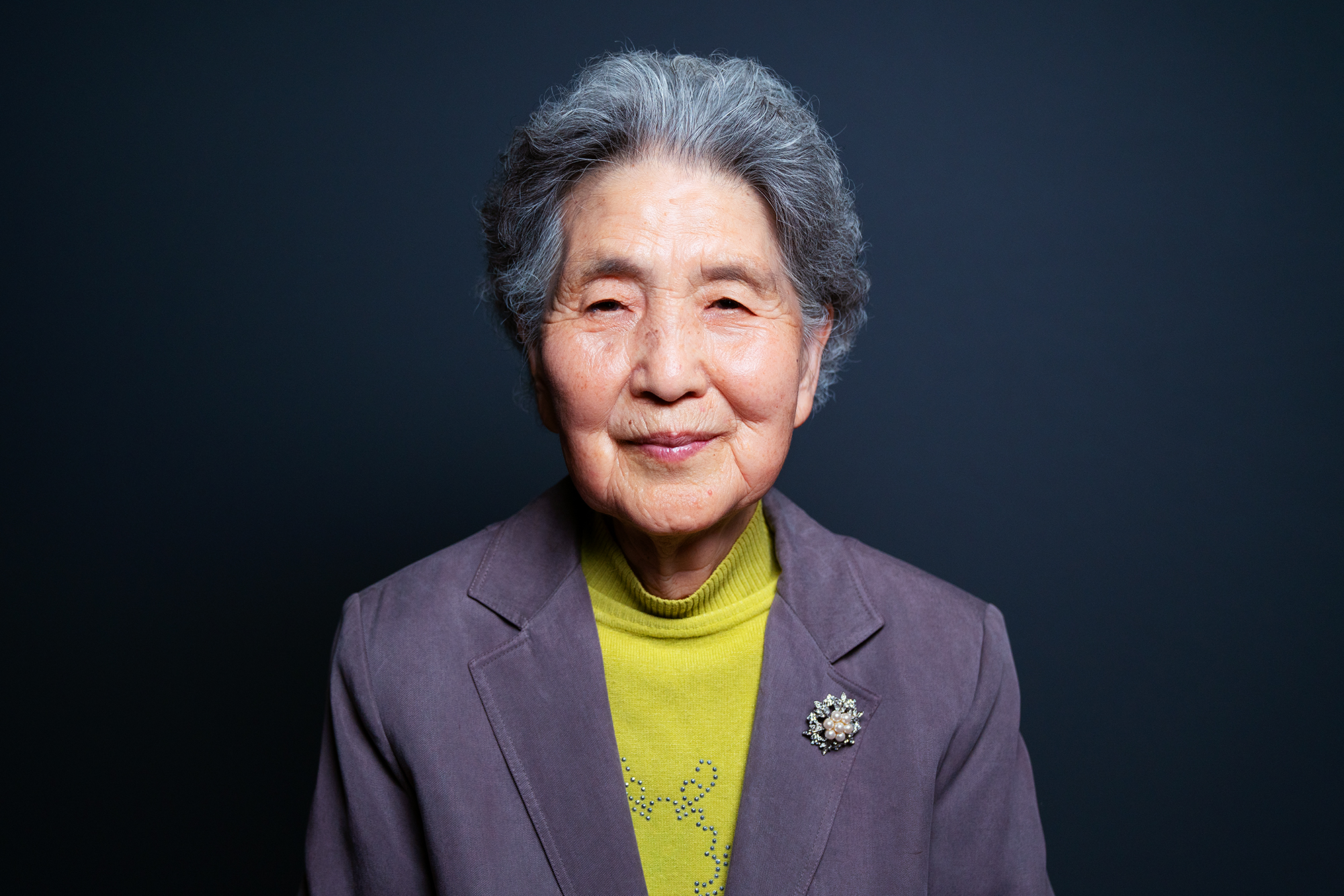
Pak Myung Sook
Pak Myung Sook was born in 1929 in Seoul, South Korea, during a time when the country was under Japanese rule. During the outbreak of the Korean War, her father, who had worked as a police officer, was kidnapped, leaving her mother to care for her four younger siblings on her own. Ms. Pak’s mother sought strength in her religious faith, helping her entire family to become devoted Christians After growing up during a time of cultural and social repression, Ms. Pak then experienced the horrors of war, suffering the loss of her child when she fled to seek refuge. After the war, she immigrated to America when her husband’s company went bankrupt and began to build a new life with her family. Her stories depict how important it is to find comfort and strength in one’s family and keep moving forward, no matter what.

are you hungry are the sweetest words
Everyone says food is the universal language of love. Somehow I missed it. My family and I immigrated to the US when I was 8 years old and since then, all I could remember was that our days were a blur.

One Day in Early July 1950
It happened to me on a day in early July 1950. I was a student in the first grade of Bosung Middle School located in Hyaewha Dong, Seoul, Korea. At this point, I will explain Korean political and military situations.Korea was emancipated on August 15, 1945, out of Japanese occupation for 35 years since August 29, 1910. Korea has been divided between South and North Koreas soon after the Japanese Surrender on August 15, 1945, and South Korea established the Democratic Government on May 10, 1948, under the leadership of President Syngman Rhee. There was the complete and permanent division of the Korean Peninsula across the latitude of the 38th Parallel North and hostilities between these two divided Countries including the frequent military clashes.

Stephen Gill
Stephen Gill was born in the rural area of Geumsan, South Korea as Gill Moon Geun. After graduating from high school in the city of Daejeon, he attended Seoul Business College and Graduate School. After working as an employee of a government-owned business in Tokyo, then New York, he decided to remain in the United States for the sake of his children and their education. Several years later, Mr. Gill began to operate a Hallmark card store, continuing to support his children through three harrowing robberies and other challenges. In 1987, he became an American citizen. Mr. Gill is no stranger to hardship and adversity, but his story demonstrates the overwhelming power of courage and family.

The Story of Saber Fighters
It happened in the year of 1950 during the summer, possibly in late July. My mother, sister, and I were treading in a lonely country road heading to the village of Yongmun, Gyeonggi-do, where my sister and her family were living.

Stella Gill
Stella Gill was attending kindergarten and learning how to play the piano when she recalls the Korean War breaking out when she was just 4 years old. After several years of living as refugees, her family finally returned home only to find that their father never came back. Stella went on to get married and settled with her new family in America. However, 25 years ago, she received a mysterious letter in the mail sent from North Korea that turned out to be her long lost father. Communicating through letters until his death, she describes the emotions she felt at that time learning about her father’s new life and family.

Kwan Chung
Kwan Ho Chung was born in South Korea in 1937, during the year the Second Sino-Japanese War began. Growing up, he heard stories from his mother about his father’s college education in the United States at the University of Pennsylvania. He made his way to America to retrace his father’s journey, visiting the University of Pennsylvania campus in person and learning about his father’s educational history there. Mr. Chung would spend years piecing together his father’s story in America and publish a biography titled “Father’s Footsteps.” Eventually, Mr. Chung would also come to live in the United States, in search of more opportunities for his sons and a new life in a new country. His father’s story motivated Mr. Chung to seek opportunity and fulfill his own ambitions, continuing a remarkable legacy of determination and perseverance.

Regina Park
Born in 1944 in the city of Harbin in what was then called the Manchuria region of China, Regina Park experienced the hardships of the Korean War at a young age. Her memories of the war include fleeing from Pyongyang, North Korea to South Korea with her family in the dead of night and receiving milk porridge from American soldiers on the street in order to survive. After meeting her husband through her uncle, Ms. Park applied for a green card and moved to the U.S. in her late twenties to start a new life. Her story is one of incredible resilience, courage, and tenacity.

Jeannie Wang
Jeannie Wang was born in Busan, growing up in the middle of the Korean War during which she recalls sharing food and resources with refugees fleeing from the combat up North. Ms. Wang’s dreams of becoming an international ambassador eventually led her to America, where she worked at a wig shop while still studying in school. Due to financial difficulties, she had to quit her ambassador dreams, but soon found another path in tutoring and education through her children. Putting all her energy into her children’s future inspired her to start a Kumon tutoring business with her husband, where they worked together for over 20 years. Ms. Wang shares with her daughter her gratefulness in that her children were able to adjust and live well in America despite the cultural differences and difficulties they went through.

James Jin-Han Wang
James Jin-Han Wang was born in 1940 in what is now the capital of North Korea, Pyeongyang. Mr. Wang recalls the long and difficult journey of fleeing on foot to the South with his family when he was just ten years old. When the Han River Bridge was bombed down in an attempt to prevent North Korean soldiers from further invading the South, Mr. Wang’s father was separated from the rest of the family. His pregnant mother was left alone with three young children, of which one died shortly after contracting polio, and her newborn son died shortly after birth due to starvation. After graduating from Seoul National University, Mr. Wang worked in Korea for a few years before coming to America with big dreams of a new life for himself. Now having owned various different businesses and retiring, his biggest wish is for his daughters and granddaughter to simply be happy.

Mary Kim
Mary Kim, born in North Korea, grew up in Seoul during both the Japanese occupation and the breakout of the Korean War. Ms. Kim shares her memories of being punished for speaking Korean and hearing rumors about women being recruited as comfort women in her hometown. She also recalls the difficulty of trying to stay alive during the war with vivid memories of scavenging and rationing out foods like potato powder and barley. Ms. Kim’s husband was able to immigrate to America, rare at the time, through his medical research work. Ms. Kim soon followed with their children with the dream of securing their family’s safety and future lives.
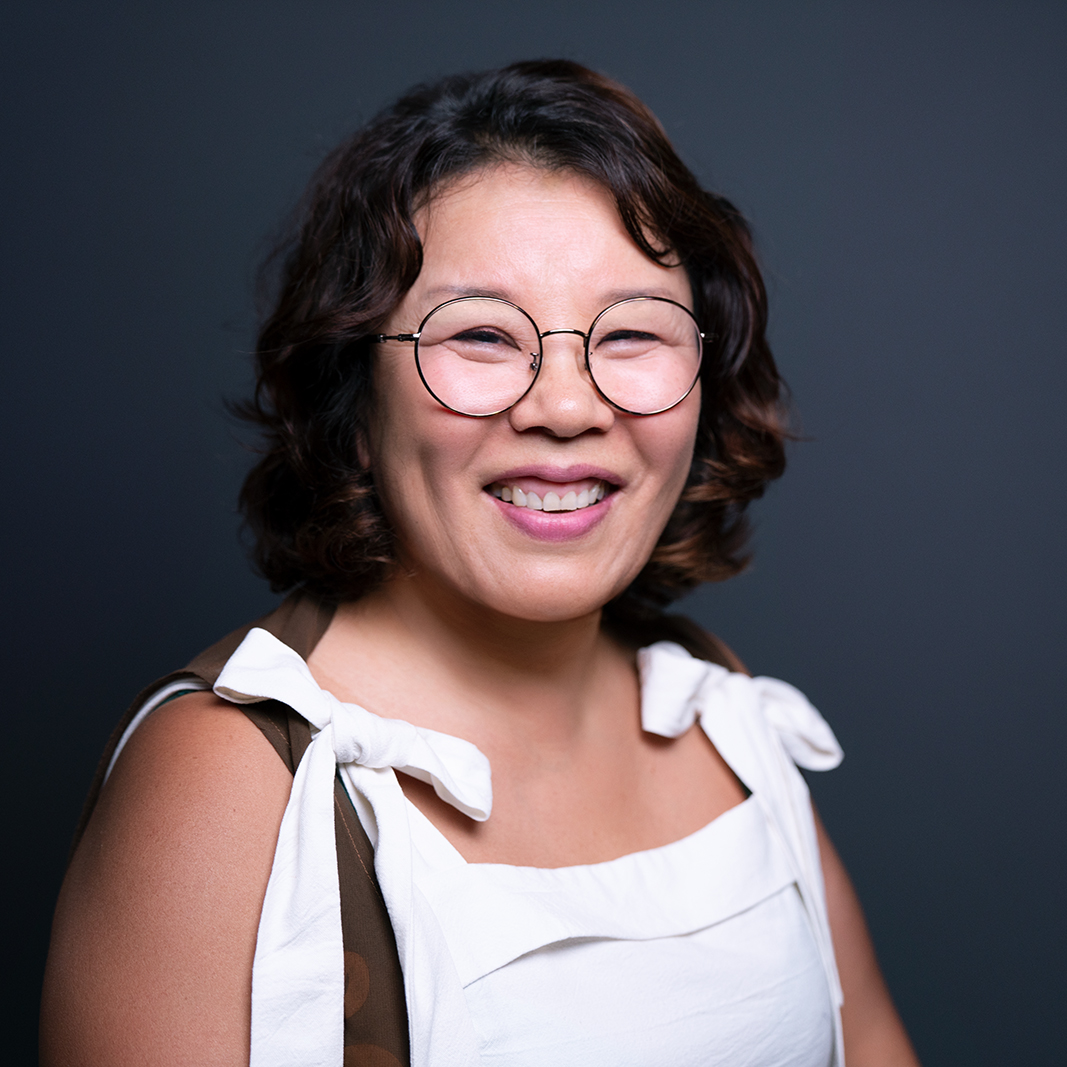
Agatha Jeomsook Park
Agatha Jeomsook Park, originally from Boseong in South Jeolla, left her life in Korea and immigrated to Chicago with her children in 1998 after facing marital issues. Having trouble adjusting to America, Agatha eventually found a new life for herself as a hairdresser with the help from her children and community. However, when her daughter was diagnosed with cancer in December of 2018, their small family faced another challenge together. Since coming to America, Agatha received great support and comfort from her church and community and has since dedicated her life to volunteering and helping others.

Looted Korean American Immigrant Business
On May 31st, 2020, many stores in Chicago fell victim to looters and vandalism following the murder of George Floyd. Venus Fashion, a women’s fashion store, was one of them. Owner Dae O Yang has operated the store in the south Chicago area for over twenty years and had already made plans to re-open since the COVID-19 lockdown but in the blink of an eye, everything was taken away from him.

Korean Meals for Frontline Workers
When New York City began to reach its peak of coronavirus cases in April, Sung Book Dong, a Korean restaurant in Little Neck, began delivering discounted meals to the hardest-hit hospitals in NYC as a way of honoring and supporting the healthcare workers for their service.
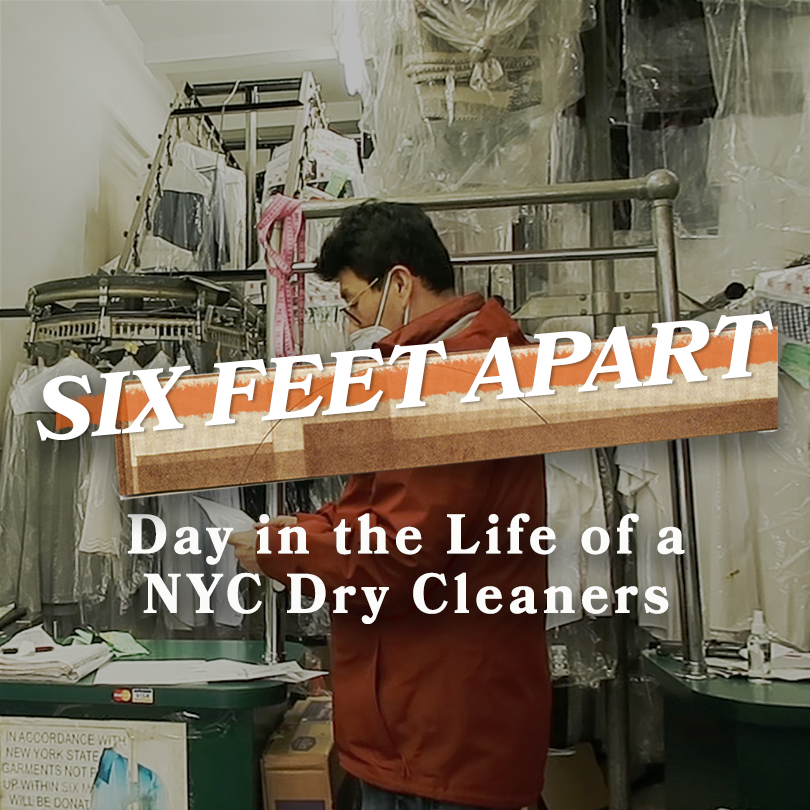
Day in the Life of a NYC Dry Cleaners During COVID-19
Seung Ku Baik is a manager at a dry cleaner store still operating in Manhattan, New York. With his daughter Deborah videotaping, Mr. Baik leads us through his typical day at the cleaners during the coronavirus pandemic and shares with us how it has impacted him.
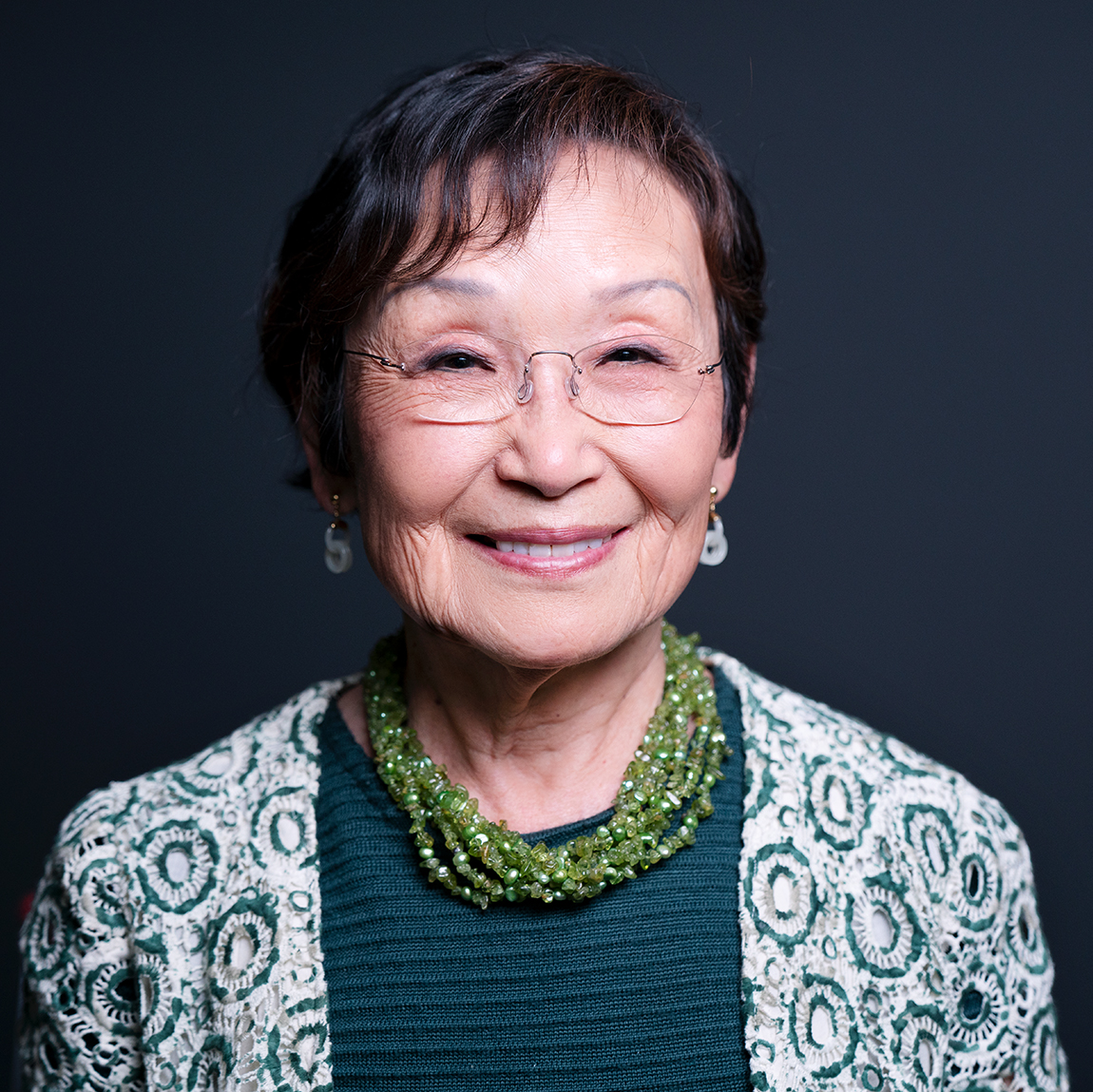
Bonnie Oh
Bonnie Bongwan Cho-Oh was raised believing in equal education for both men and women.

Ji-Yeon Yuh
Ji-Yeon Yuh came to America at age 6 with her mother joining her father who was finishing his doctorate in Chicago.
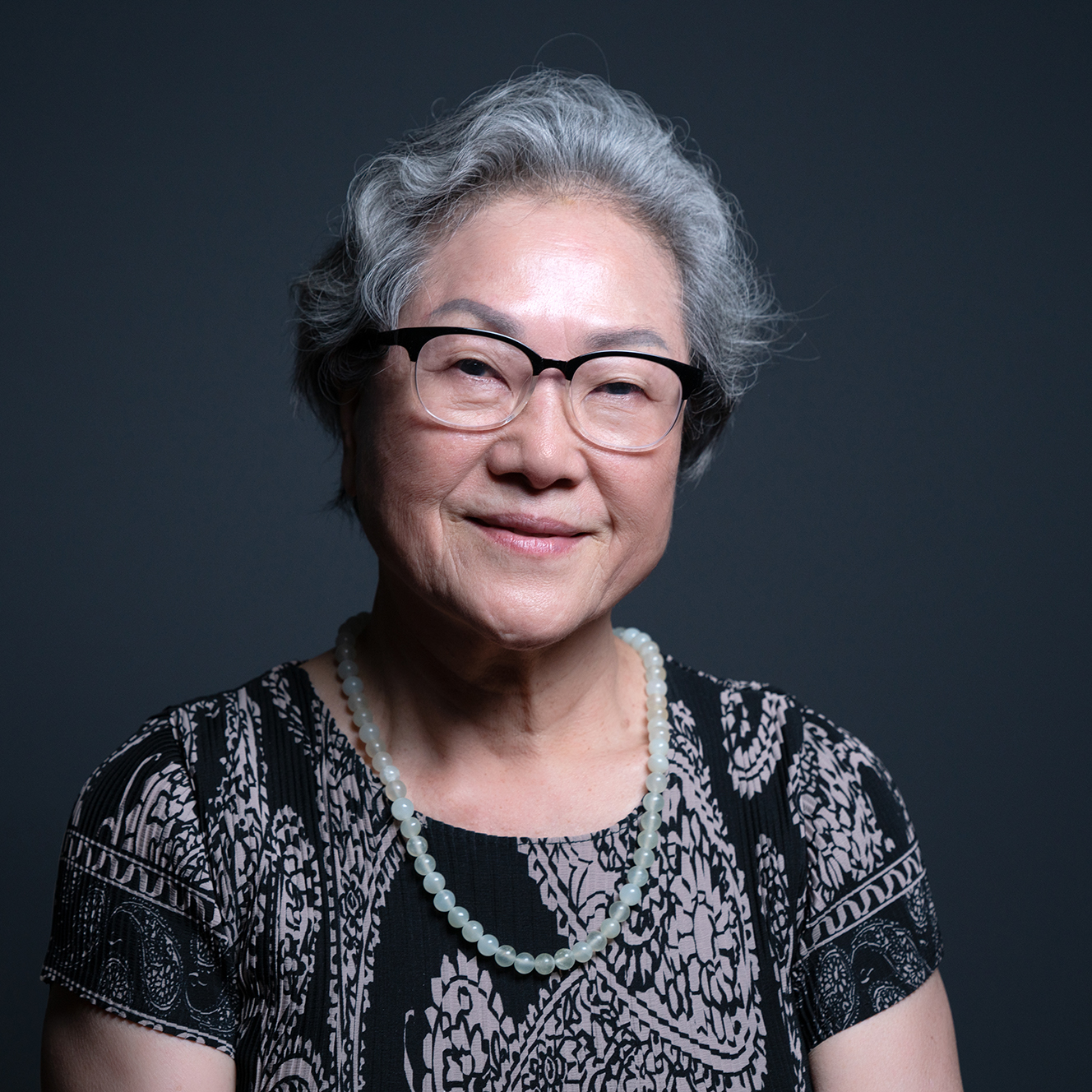
Hee Yung Chang
Ms. Hee Yung Chang was born in Seoul, Korea, experiencing the Korean War as a young child.
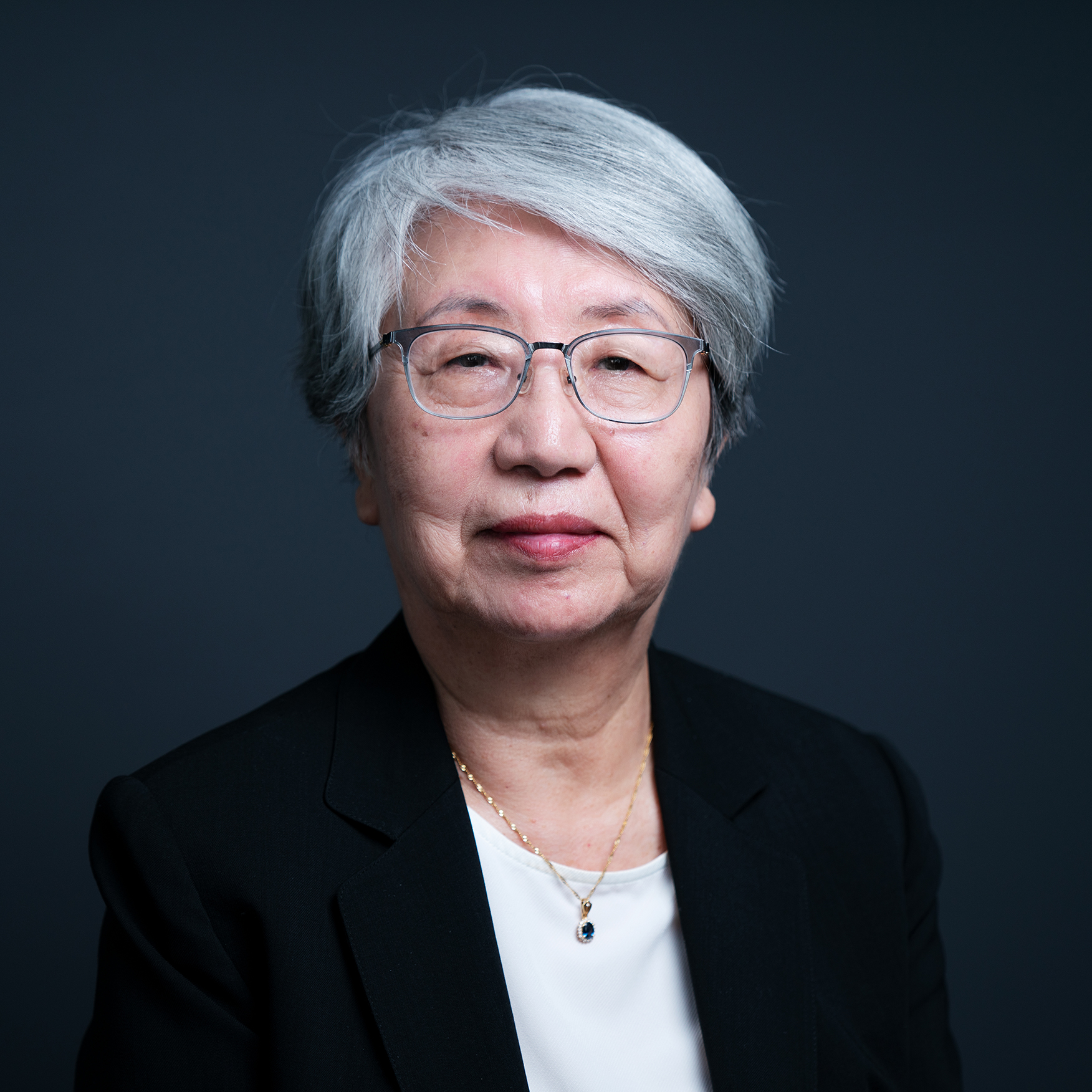
Jin Young Choi
Jin Young was born in 1937 in Manchuria which was also under Japanese occupation at the time.
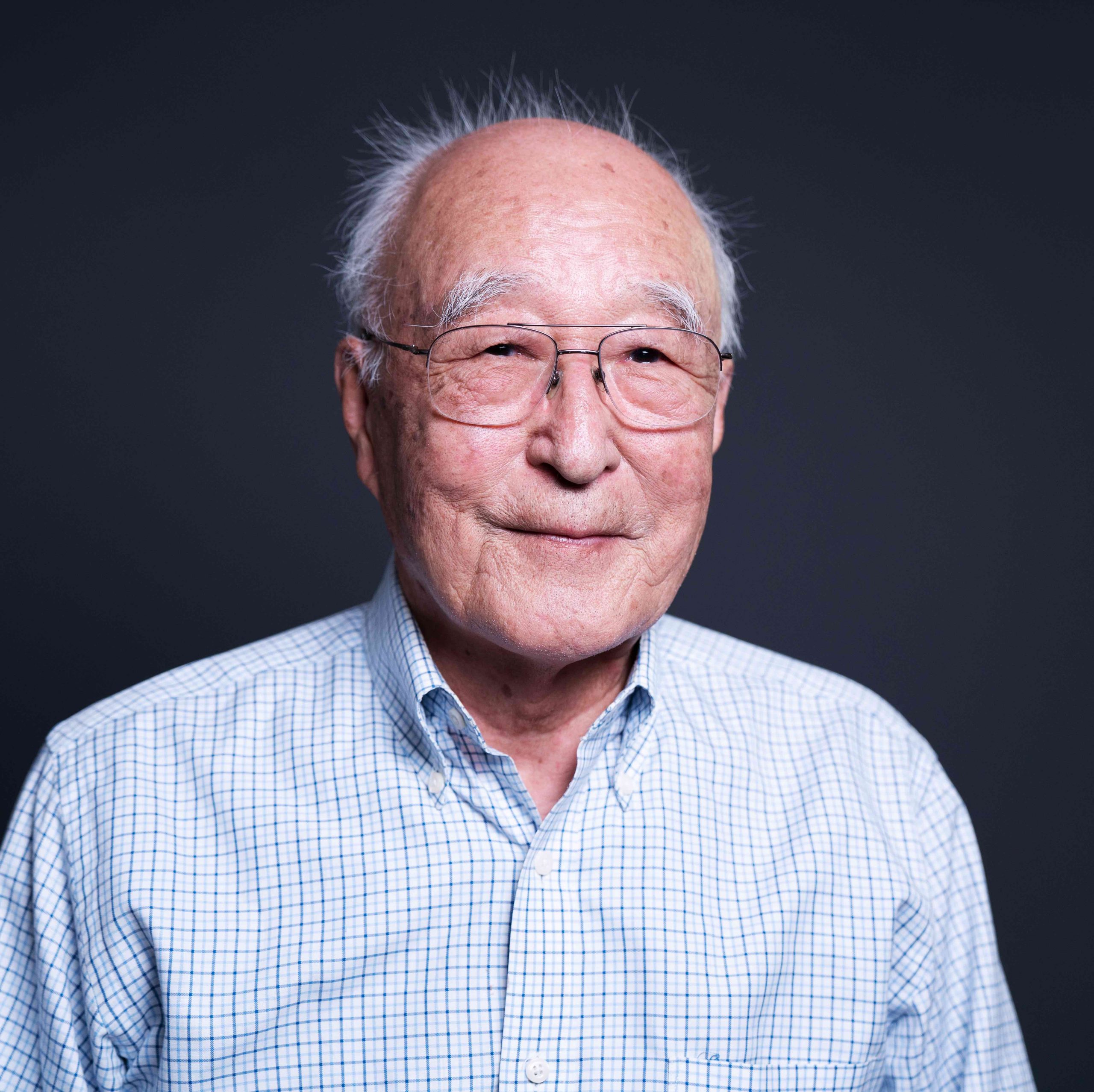
Young Song Kim
In this Legacy Project, Young Song Kim shares his story with his son, Doug.
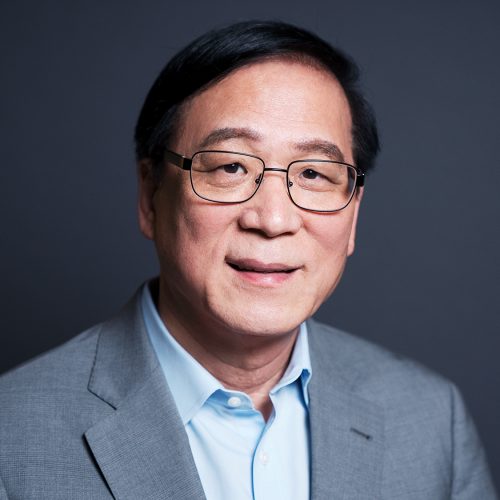
Sukhee Kang
Sukhee Kang – the first Korean American mayor of Irvine, California – shares his experience of arriving to America with little resources yet still striving to try his best in everything he did.

Youngsong Martin
Youngsong Martin is the founder of Wildflower Linen, well-known for its quality fabrics designed for luxurious large-scale events.

Yung Kim – Part 2
Yung Kim, who attended and helped develop the Father School program in New York, shares what he’s learned about fatherhood and family.

Yung Kim – Part 1
Yung Kim, interviewed by his niece Nina Joung, came to America at 22 years old, volunteering at nonprofit organizations while serving at his church as a youth group teacher.

Mickie Choi
With a dream to become Madame Curie, Mickie Choi immigrated to the U.S. in the early 70s to pursue her PhD.

Jean Kim – Part 2
Fighting poverty and homelessness never stops for Jean Kim.

Jean Kim – Part 1
Born in 1935 in what is now North Korea, Jean Kim lived through the Japanese occupation and the Korean War, losing her language, family, and home.

Myung Sook Cha
Myung Sook Cha came to the US with the intent of earning enough money to go back to Korea to take care of her father.
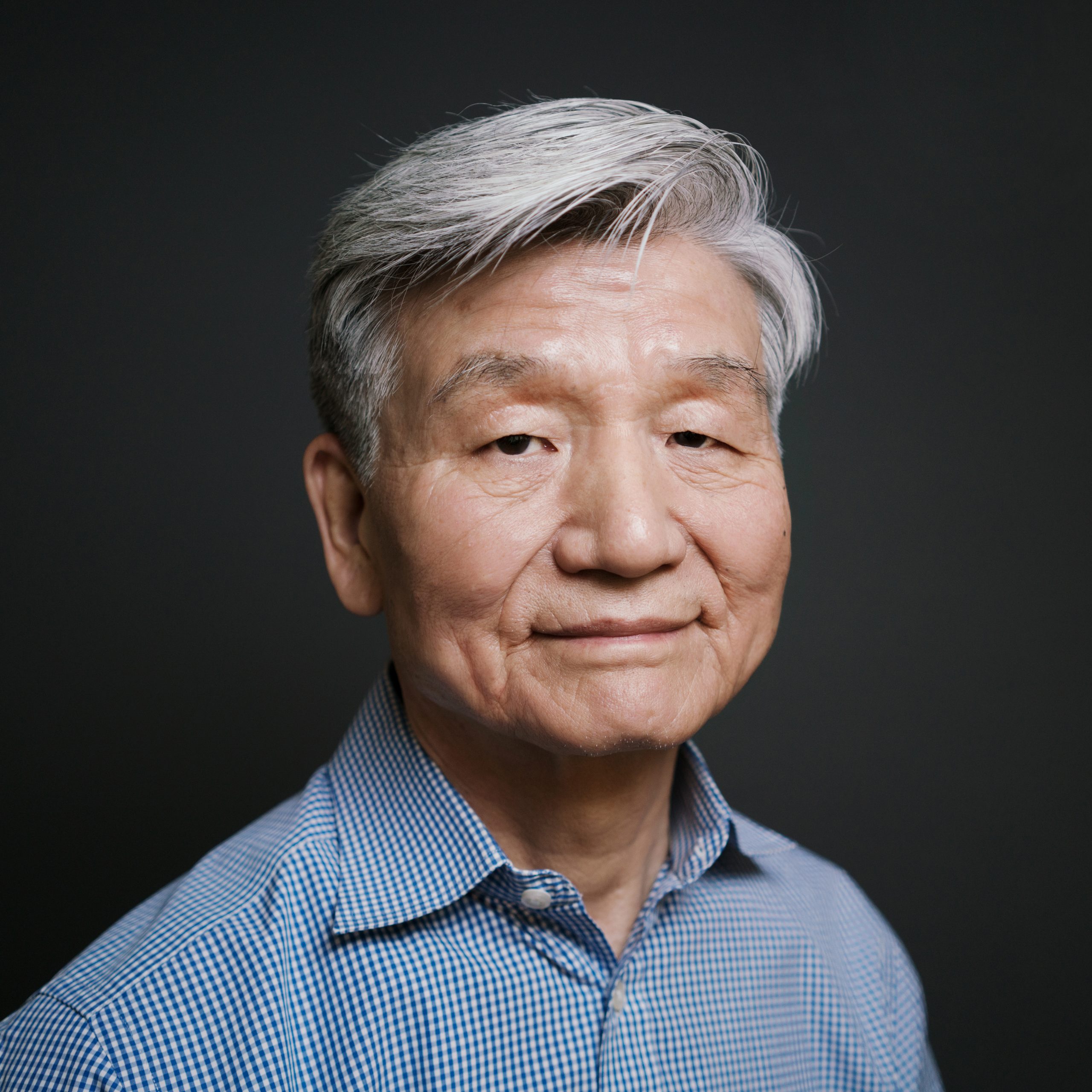
Duk Sun Chang
Duk Sun Chang struggled all his life working as a gemcutter, a back-breaking occupation.

Young Hae Han
Young Hae Han was a professional pianist before she became a wife and mother.

Jong Sun Yun
Hear how Jong Sun Yun’s immigration to the US led to his calling as a pastor, and how a stroke that left one side of his body paralyzed tested his will to continue life without giving up.

Yung Duk Kim
Yung Duk Kim was born in North Korea and escaped to the South with his family as a 13-year-old boy.

Myungja Yue
Pastor Myungja Yue recalls how her father took on the incredible feat of swimming across the Nakdong River back and forth 6 times
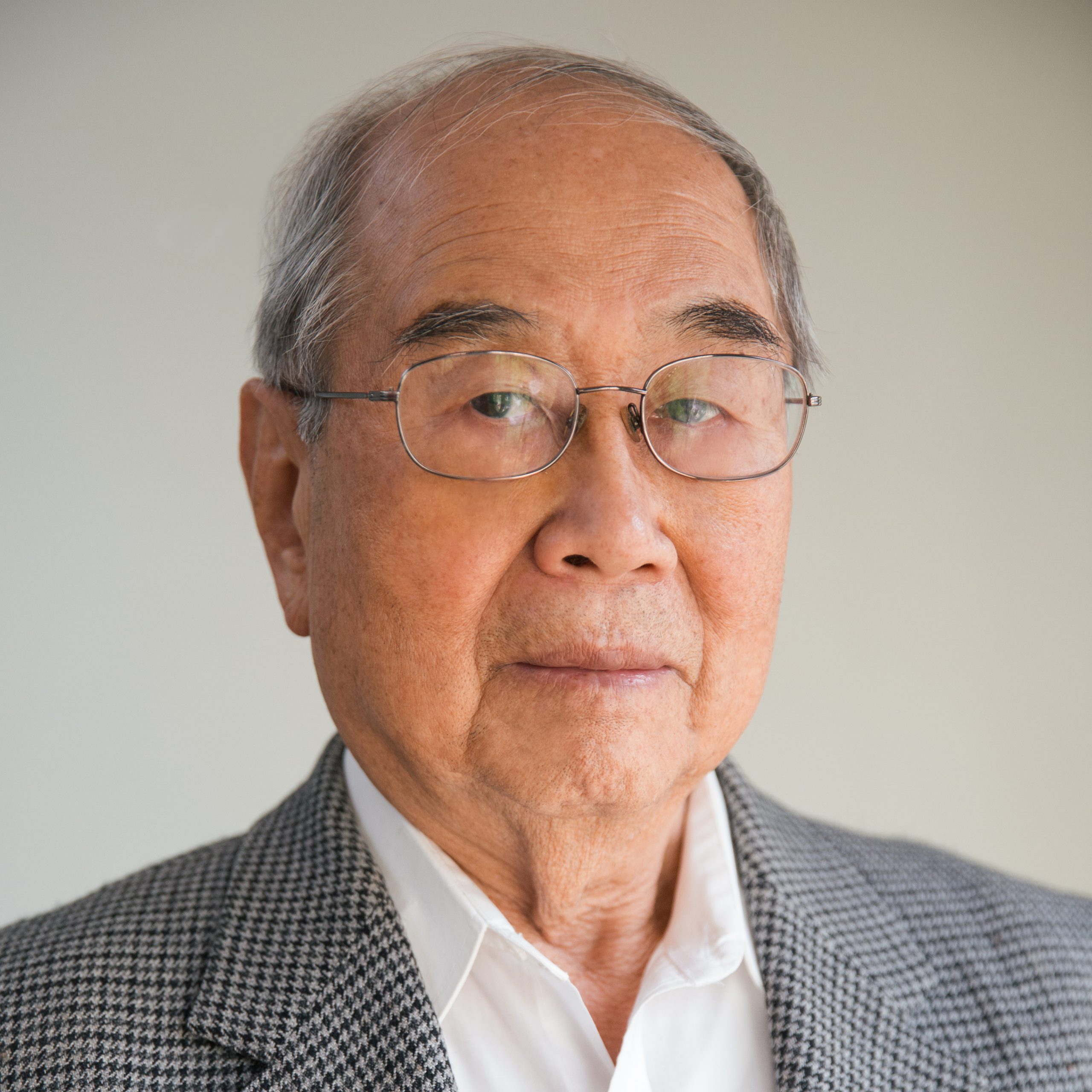
Yoon Soo Park
Dr. Yoon Soo Park, recognized internationally for his research in science and technology, recalls the less public memories of his life during the Japanese occupation and the Korean War.
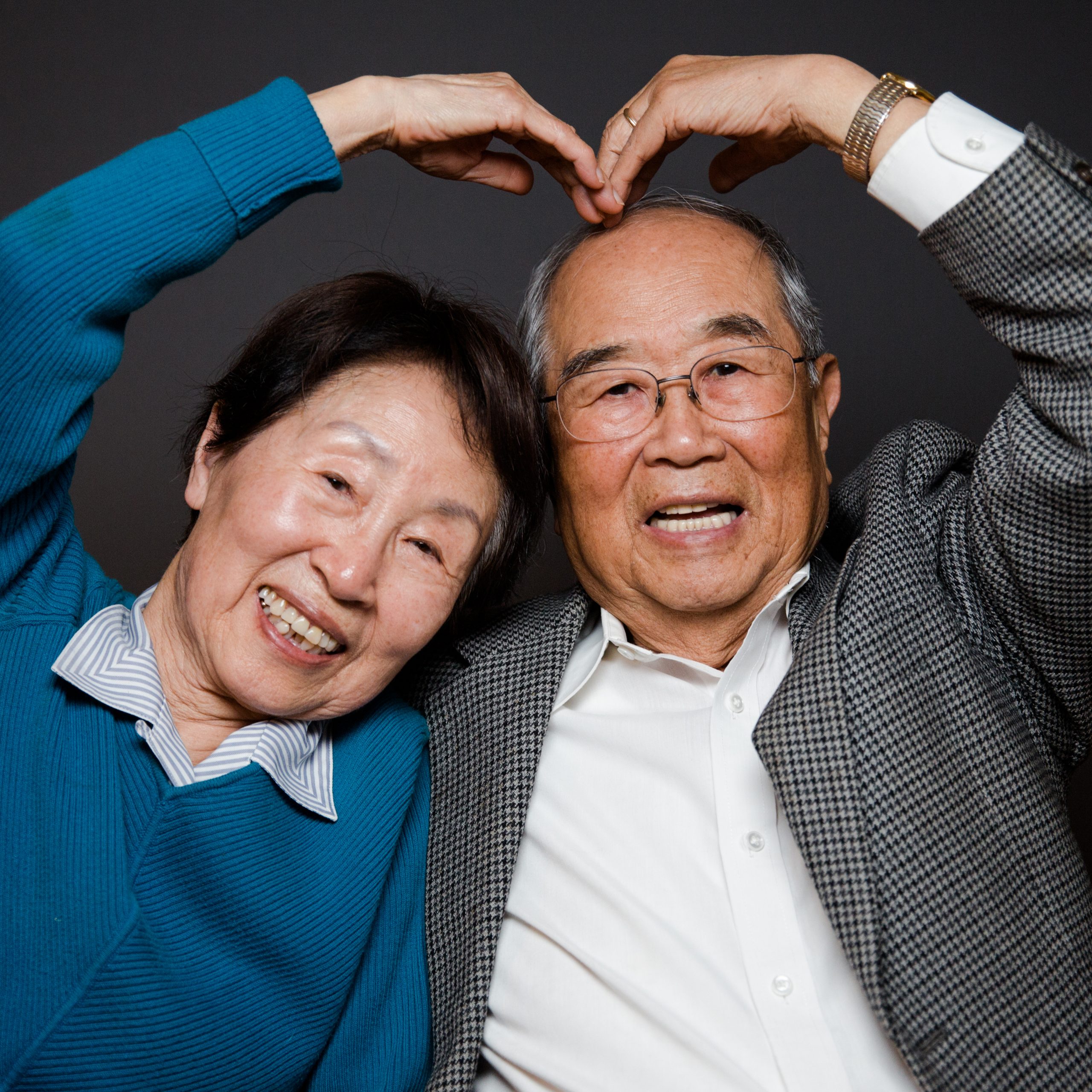
Dju Hyun Park – Part 3
Dju Hyun Park shares her love story — how she met her husband, and how they became a family of five.

Dju Hyun Park – Part 2
Dju Hyun Park recalls her harrowing escape from North Korea to South Korea.
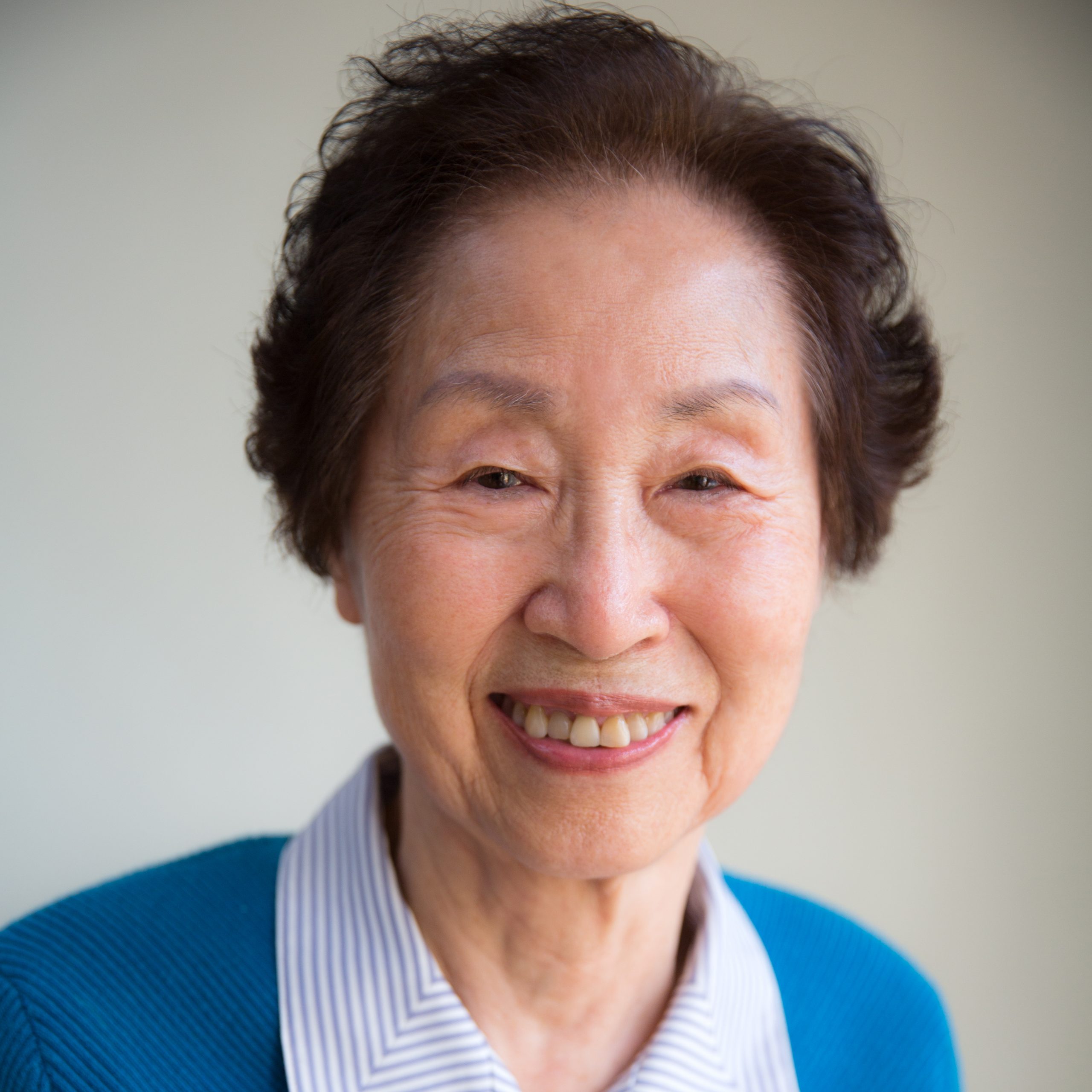
Dju Hyun Park – Part 1
Dju Hyun Park grew up in a wealthy family in North Korea, but affluence did not ensure an easy life.

Han Sung Chang – SaIGu LA Riots
In 1991, Han Sung Chang joined a youth group that provided protection services to Korean Americans, especially shop owners who were most at risk when they closed their shops at night.

Inha Cho – SaIGu LA Riots
Inha Cho, president of the Korean Veterans Association in 1992, recalls gathering veterans of the Korean Marine Corps to go into the areas of rioting in order to protect Korean Americans and their livelihoods.

Richard Choi – SaIGu LA Riots
Richard Choi is the current vice chairman of Radio Korea, and was the vice president of Radio Korea in 1992.

Kim J Chung, part 2
Kim J Chung shares how she met her husband, and how the two were an unlikely pair.

Kim J Chung, part 1
Kim J Chung shares how her family crossed the border from North Korea to South Korea.

Sang Gyun Kim
Sang Gyun Kim, currently a CPA with his own business, honestly recounts his difficulties in adjusting to life in America.

Yusun Chang
When Dr. Yusun Chang first considered studying abroad, he was not sure if it would be feasible due to financial difficulties.

Kelly Choi
Kelly Choi learned the importance of taking care of herself after she started having symptoms of panic disorder.

Woonhye Jeong
Woonhye was sure she would never marry a pastor–because she had seen firsthand the difficulties of pastoral life through her father.

Hyejoo Jeong
Hyejoo Jeong’s life was shaken up when her husband was diagnosed with stage four cancer at the age of 32.

Han Shik Park – Part 2
As a professor with over forty years teaching political science at the University of Georgia, Han Shik Park shares his thoughts on North Korea,

Han Shik Park – Part 1
Han Shik Park is no stranger to war. Born near what is now Harbin amidst Chinese civil unrest, Park eventually moved to South Korea after the surrender of the Japanese.

Sang Soo Park
Sang Soo Park, born in 1929, recounts the days in Korea when everyone was starving and his immigration to the United States to join his brother who worked at a chemical factory.

Joanne Lee
Joanne Lee didn’t know how to react when her second child, Skylar, came out as transgender and found that she was unable to fully understand and accept his LGBTQ identity.

KRB Podcast: Joseph Kim – Part 2
Joseph Kim, former TED speaker and author of Under the Same Sky, talks about his time in China and how he came to U.S. in this week’s KoreanAmericanStory, KRB 87.7FM.
KRB Podcast: Joseph Kim
Joseph Kim, former TED speaker and author of Under the Same Sky, talks about his life journey from North Korea to the U.S. with the hosts of KRB 87.7.FM in this week’s KoreanAmericanStory.

Baik Kyu Kim
Baik Kyu Kim recounts his immigration to the United States, the mentality that shaped his work ethic.

Seung Nam Lee
When riots erupted throughout Los Angeles in 1992, the same thing was happening in Atlanta—destroying the local K-town area.

William Seihwan Kim
Pastor William Seihwan Kim was serving at a Korean church in Wichita, Kansas until a severe tumor growing on his face forced him to resign and go to Korea for surgery.

KRB Podcast: Myung Hee Chun and Jin Hee Choi
In this week’s special episode of Korean American Story with 87.7 FM KRB, Queens residents Myung Hee Chun and Jin Hee Choi talk about their family’s rich tale of resilience during the Korean independence movement. Through their eyes, learn what it was like to be born and raised in Manchuria during the Japanese occupation, and live through the liberation period and Korean War.
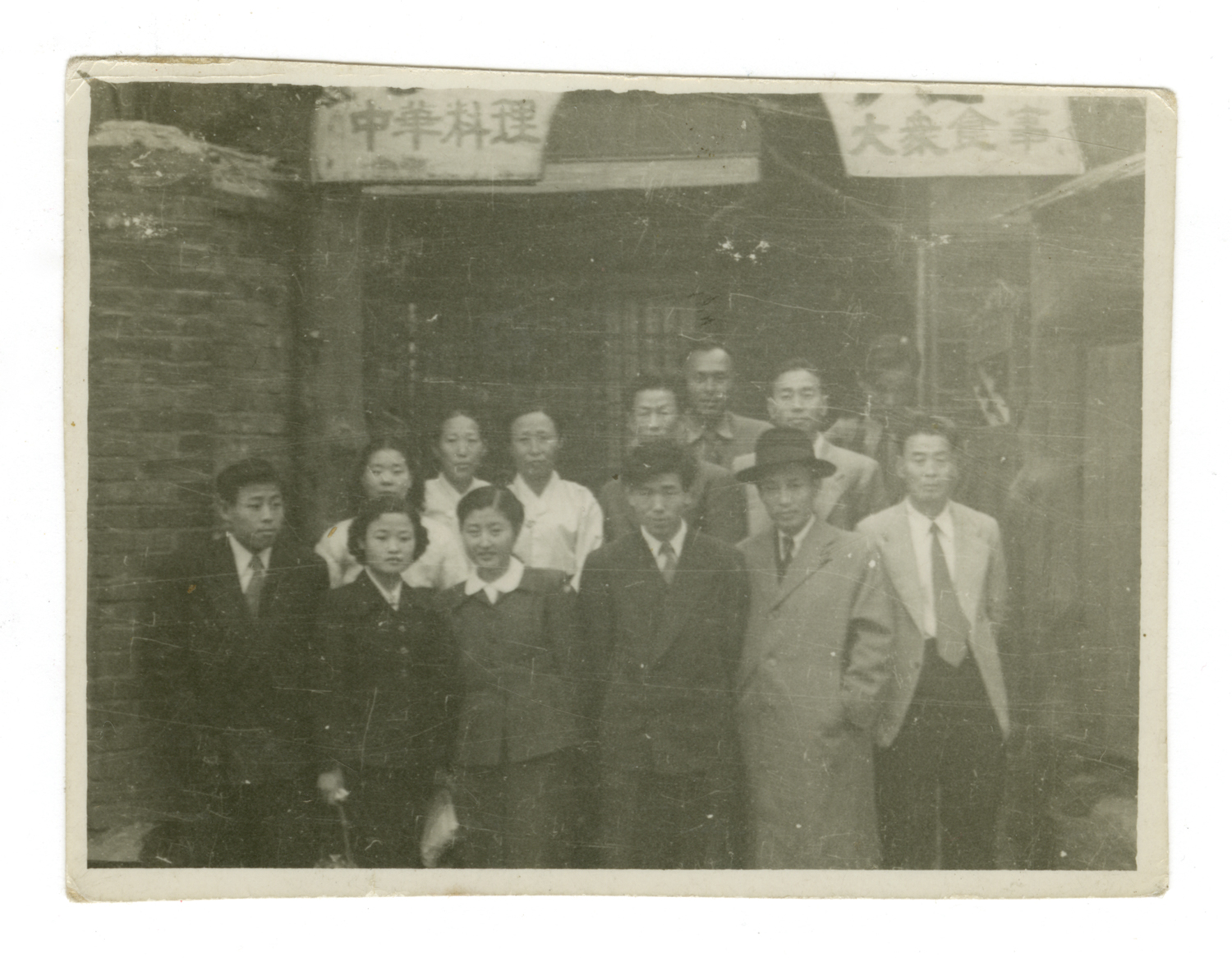
Chung Yun Hoon – Part 2
Chung Yun Hoon continues on in the second part of his story—detailing how he came to immigrate to Detroit, Michigan

Chung Yun Hoon – Part 1
Chung Yun Hoon, born in 1930, describes his childhood and family life in China, how seeing a picture of the Empire State Building inspired him to learn English.
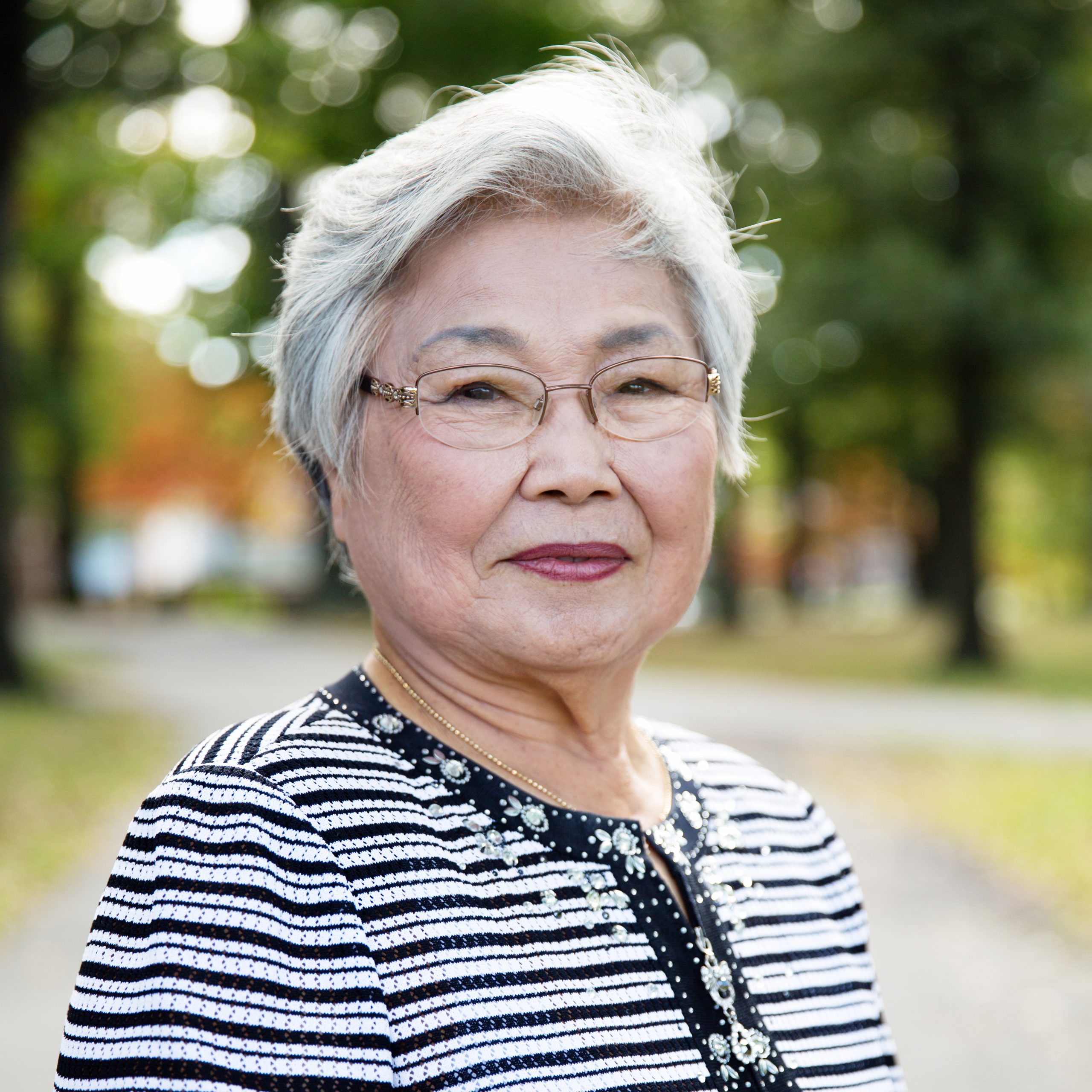
Jeong Ae Choi
Jeong Ae Choi talks to her daughter and grandson about how she came to marry her husband after her mother met him through a matchmaker.

Chong Taek An
After deciding not to jump from a seven-story building, Chong Taek An paid off the debts he was trying to escape from and eventually made his way to America.

Namsun Lee
To support her family while her husband was studying, Namsun Lee took on a “man’s job” at a General Electric company in Richmond, VA.
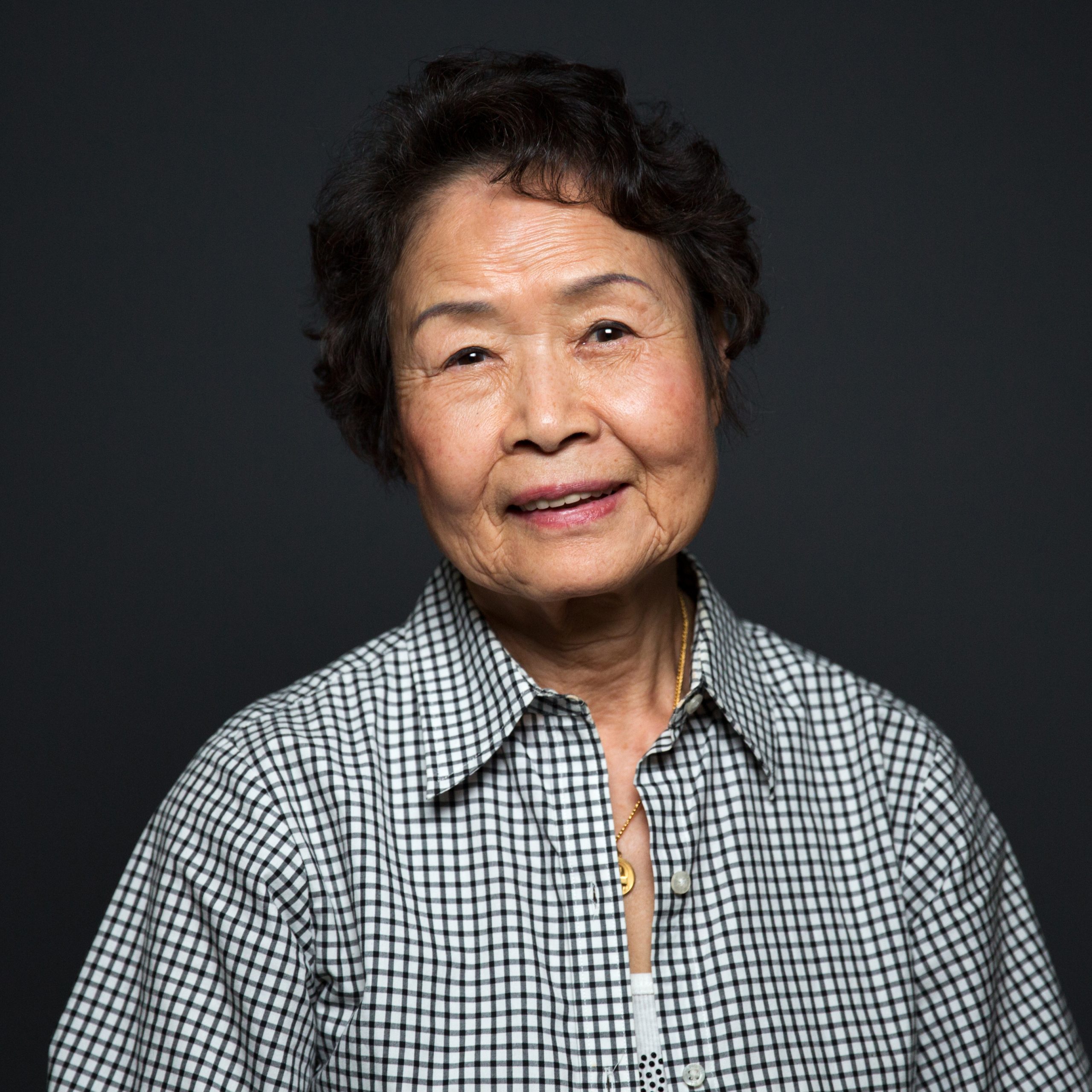
Han Sung Park
Han Sung Park grew up in a rural part of Korea as the youngest of four daughters to her mother, who faced a lot of social stigmas as a widow.

Sungdo Park
Sungdo Park, born in 1933, gives an intimate look at the major events of his life.

Yi Yoon-Shin
Ms. Yi Yoon-shin is a ceramic artist and the founder of Yido, a store which specializes in handcrafted ceramic ware for everyday use.

June Oh
June Oh, as interviewed by her daughter, Diana, never wanted to get married, but life took her in a different direction from what she expected.

Yido
Yi, Yoonshin (intentional comma), is a ceramic artist based in Seoul and the founder of Yido (이 + 도자기 – Yi, surname + dojagi, ceramics). Growing up in Seoul as an only child, Yi would frequent art galleries, listen to music, and sketch.

Ms. Jwa Kyung Shin
Jwa Kyung Shin was born in 1914 in Korea. She was 100 years old at the time of the interview.

Victor Victori
Victori was born in 1943 in a small peach farming village outside of Seoul, Korea.

Jungsook Choh
Mrs. Jungsook Choh was born in 1935 in Uhrae-Jin, Hamkyung-Namdo, which is now in North Korea.

On Mothering
On Wednesday, the day before I was scheduled to be induced, my parents arrived from New York with enough food to last us through Hurricane Katrina. They opened their suitcase, and it spilled out with cellophane packets of seaweed, an assortment of dried fish, varieties of ground rice powder, sesame seeds, and other ingredients for postpartum concoctions.

Sulja Warnick
Sulja Lee was born in Japan in 1942 during WWII and her family moved back to Korea after Korean independence from Japan in 1945.

Dr. James ChinKyung Kim
Dr. James ChinKyung Kim is no ordinary man, containing the spunk and spirit of a teenage boy.

Love Beyond Measure: Pega Crimbchin
Late one evening while mourning her late husband, Pega Crimbshin (nee Ock Soon Lee), 81, of Cabot, Pennsylvania, found a box that he had handcrafted and shown to her in January 1954. He had informed her that they contained important papers.

Kang P. Lee
Since junior high school, Kang Lee’s aspiration was to become one of the greatest scientists Korea has produced. His father, who was the chairman of the biology department at Seoul National University, was kidnapped by the North Koreans during the Korean War. His mother was left to raise 6 children on her own. Kang Lee managed to find scholarships which allowed him to attend his junior high school and high school, and eventually worked his way through Seoul National University as a private tutor. He came to the USA to attend MIT, where he received his PhD. In 1984 he founded Aspen Systems, where he is still the CEO today.
This is an amazing story of struggle and resilience in the face of seemingly insurmountable challenges. Despite a lifetime of struggles and successes, Kang Lee remains an incredibly optimistic and humble person.

Grace K. Lee
Legacy Project video of Grace K. Lee of Minnesota, interviewed by her daughter, Marie Myong-Ok Lee, in New York City.

Dr. Haeng Soon Park
Dr. Haeng Soon Park, a professor of biochemistry, retired from a university in Korea, and then went on to teach in Nepal.

Dr. Byoung G. Choh
Legacy Project video of Dr. Byoung G. Choh of Cleveland, Ohio interviewed by his daughter, Theresa Choh-Lee.

My Korean American Story: Diana Yu
In the late fifties, following the Korean conflict, things were so bad in Korea that people tried to leave the country any way they could. College students were no exception.

Rev. Jung John Kwon
The Reverend Jung John Kwon reflects on his journey in the United States. He was interviewed by his daughter Young-Yi Clinton in New York.

Rev. Koonae Lee
The Reverend Koonae Lee is the Senior Pastor of the United Methodist Church in Stratford, Connecticut.

Kwon Sook Young
Ms. Kwon Sook Young interviewed by her daughter, Yoon Lee Perera in New York on November 2012.

Dr. Samuel Sang Gook Lee
Dr. Samuel Sang Gook Lee immigrated to the United States in 1973.

The Dream: Profiles of Undocumented Korean Americans
I came to the United States when I was 2, sleeping on a plane from Korea in my mother’s arms. In the chilly month of October, 1993, she first set foot on American soil, with me wrapped on her back and carrying two sets of luggage. My father received us at the airport. I just stared at him with curious eyes, as I’d do when meeting anybody new. According to my mother, I couldn’t recognize him as my own father for the first year or so of being reunited with him.
My father came to America six years before my mother and I did. He met my mother during a short visit in Korea, got married and came back alone to continue working. He was searching for better quality of life here for his wife and future child. Choosing to find it in America was a daring decision. He ultimately prepared the way to ensure our family a new beginning in America, although many dreams were shattered along the way.

Refugee Cheap
I’m not sure what it is about being a hyphenated American, but nearly every immigrant group seems to claim two qualities for themselves that set them apart from mainstream Americans. The first is that they’re not punctual. The second is that they’re cheap. Indeed, ethnic stand-up comics often joke that their respective immigrant group functions not on regular time but on (Korean / Indians / Jamaican/ etc.) time and that their (Korean / Indian / Jamaican/ etc.) father was so cheap he would only let them use x sheets of toilet paper per bathroom visit.